Fashion Slash: A Display Font for Dynamic Digital Design
Every web designer knows the power of typography to set a mood, command attention, and build a digital identity. In a world of clean sans-serif and reliable system fonts, a distinctive display font like Fashion Slash becomes a strategic asset for creating memorable online experiences.
Describing Fashion Slash: The Visual Character
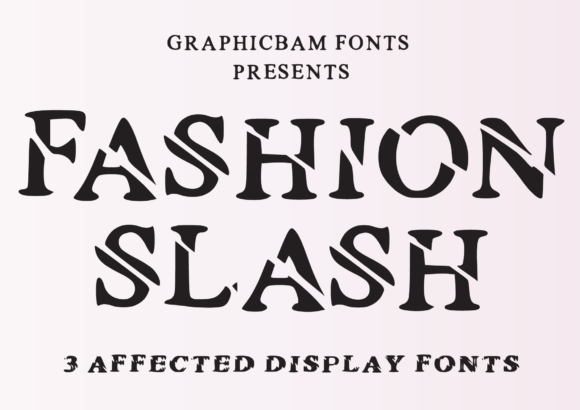
Fashion Slash is a display font defined by its neat craftsmanship and high level of detail. It strikes a balance between being incredibly cool and inherently readable. The design feels structured yet possesses a unique character that makes it interesting beyond a simple decorative typeface. Its personality is sharp, modern, and confident, making it suitable for projects that need to communicate sophistication, creativity, or cutting-edge style.
Digital Applications Where Fashion Slash Excels
As a display font, Fashion Slash is not intended for long paragraphs of body text. Its strength lies in making key pieces of content punchy and visually arresting.
Headers and Hero Sections
For website headers, landing page hero titles, and app screen headings, Fashion Slash immediately establishes a tone. Its detailed design pulls the user’s eye and can make a simple statement feel premium and intentional. On a creative portfolio site, using Fashion Slash for your name or a key project title frames your work as meticulously crafted.
Call-to-Action Areas and Button Text
While typically used for short phrases, testing Fashion Slash on primary call-to-action buttons can be powerful for certain brands. The font’s inherent interest can make a button like “Start Your Journey” or “Get the Template” feel more like a branded artifact than a standard UI element, potentially boosting engagement in conversion-focused layouts.
Online Shop Banners and Promotional Graphics
For boutique online stores, a banner announcing a “New Collection” or “Limited Edition” rendered in Fashion Slash adds an editorial, high-fashion quality. It elevates standard promotional text into part of the visual merchandising, enhancing brand trust and perceived value.
Blog Graphics and Content Section Headers
Within a blog or long-form sales page, using Fashion Slash for section headers (h2, h3 tags) creates a strong visual hierarchy. It breaks the content into clear, stylized chunks, improving scanning behavior and making the page feel more designed and less generic.
Readability and Responsive Considerations
Always prioritize usability. Because of its detailed nature, ensure Fashion Slash is used at a sufficient size. On mobile screens, test headline sizes thoroughly; the intricate details need room to breathe. Avoid using it on very small buttons or as overlaid text on busy image backgrounds where the fine strokes might disappear.
For dark mode designs or light backgrounds, the font’s neat construction ensures it remains legible with proper contrast. Its clarity holds up well in responsive layouts, provided you use relative units (like em or rem) for sizing and allow breakpoints to adjust the typography scale for smaller viewports.
Strategic Font Pairing for Web Design
A display font like Fashion Slash needs a supportive partner for body copy and secondary text. Pair it with a simple, highly readable sans-serif font for paragraphs, UI labels, and navigation. This classic pairing allows the display font to shine as the star while ensuring overall content readability.
For a more editorial or academic digital identity, consider pairing it with a clean serif font for body text. This combination leans into a sophisticated, publication-style feel suitable for course pages, expert blogs, or brand sites focusing on authority.
Creating a Cohesive Brand Typography System
Define a clear typography system for your project: Fashion Slash for primary headlines and key brand phrases, your paired sans-serif for all body and functional text, and perhaps a neutral sans-serif for data, forms, and footers. This system creates a consistent online identity that feels professional and designed.
Technical and Licensing Notes for Digital Creators
Before implementing any premium font like Fashion Slash, check its technical specs for web use. Confirm it includes webfont formats (typically WOFF2, WOFF) for optimal performance and rendering across browsers. Investigate if it offers stylistic alternates or multiple weights, which provide more flexibility for different digital contexts.
Always verify the commercial font license. Ensure it covers use in websites, client projects, digital products, online stores, and landing pages. If you are creating digital templates or brand assets for resale, the license must explicitly permit this. Proper licensing protects your work and respects the type designer’s craft.
Fashion Slash in Real Digital Projects
Imagine a coaching website where the tagline “Transform Your Process” uses Fashion Slash. It conveys precision and results. For a SaaS product landing page, using the font for the value proposition headline, like “Design with Intelligence,” frames the tool as sharp and modern. On a digital brand kit for a creative entrepreneur, Fashion Slash becomes the designated font for logo text, social media graphic headlines, and email campaign titles, ensuring a cohesive branded feel across all touchpoints.
Ultimately, Fashion Slash is more than a cool font. It’s a design tool for establishing visual hierarchy, reinforcing brand tone, and creating web experiences that feel deliberately crafted. By applying it strategically—to headlines, key phrases, and brand moments—you leverage typography not just for aesthetics, but for clearer communication and stronger user engagement.