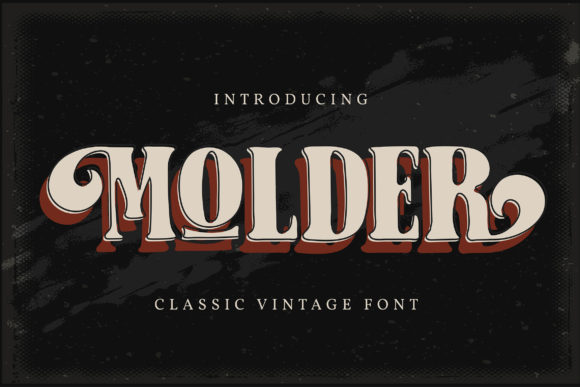
Molder: The Bold Vintage Font for Your Creative Projects
There’s a moment in every project when the design truly comes together. For me, it was last week while I was preparing a set of candle labels. I had the wax poured, the scent perfected, but the label felt flat. The generic, thin font I was using didn’t match the rich, earthy feeling of the product. I needed something with weight, character, and a bit of history. That’s when I found Molder.
The Personality of a Powerful Display Font
Molder isn’t a shy font. It’s a thick, lettered display typeface with a distinct vintage charm. Its bold strokes and solid forms feel grounded and reliable, yet its overall style carries a warmth that’s perfect for handmade goods. When you set a word in Molder, it doesn’t just sit on the page—it makes a statement. This is a font for titles, headlines, and names, where its strong personality can shine without being overwhelmed by paragraphs of text.
The appeal is in its originality. It doesn’t look like every other trendy font. Instead, it brings a timeless, crafty mood to your work. Whether you’re designing a rustic wedding invitation or a bold logo for your shop’s packaging, Molder adds a layer of perceived quality and deliberate artistry. It tells your customer, visually, that what they’re looking at was made with attention and care.
Bringing Molder to Life on Your Products
In my own shop, Molder has become a go-to for anything that needs to stand out with confidence. Its thick letterforms are incredibly versatile across different mediums.
- Labels & Tags: On product labels for candles, jars of honey, or boutique soap, Molder ensures the product name is readable and impactful, even at smaller sizes.
- Greeting Cards & Invitations: For a birthday card title or the names on a wedding welcome sign, it provides that essential decorative weight.
- Printable Wall Art & Planner Pages: In digital downloads, like motivational quotes or monthly calendar headers, the font’s bold vintage style creates a striking focal point.
- Packaging & Signage: Whether it’s a simple “Thank You” on a parcel sticker or the main text on a wooden farmhouse sign, Molder commands attention.
- Seasonal Designs: It works beautifully for holiday tags, autumn market banners, or festive mug designs, where its solid forms feel celebratory and robust.
Readability and Production Tips
Because Molder is a display font, it’s best used for short phrases. Think product names, single-word titles, or brief quotes. This makes it perfect for the kind of text you typically find on labels, cards, and signage. For longer text, like the body of an invitation or product descriptions, you’ll want to pair it with a simpler font.
When using cutting machines like Cricut or Silhouette for stickers or vinyl decals, Molder’s thick letters cut cleanly and weed easily, provided your design isn’t too intricate at a tiny scale. For printed materials, like cards or labels, it renders beautifully even on textured paper, as its boldness prevents it from getting lost. Always test your mockups, especially for small stickers, to ensure the characters are distinct.
Crafting a Cohesive Look with Font Pairing
The magic of a great display font like Molder is unlocked by pairing it wisely. Since it’s so dominant, it needs a complementary partner for supporting text. A clean, modern sans serif font is my favorite choice. It provides a neutral, readable base that lets Molder’s vintage boldness be the star. For a softer, more romantic project—like wedding stationery—pairing Molder with a delicate script font can create a beautiful contrast between strength and elegance.
This pairing isn’t just aesthetic; it’s functional. It guides the viewer’s eye, creates hierarchy, and builds a consistent brand identity. Using Molder consistently for your shop name or product titles across all your materials—from your Etsy listing images to your physical packaging—helps with customer recognition and strengthens your brand’s emotional appeal.
A Note for Selling Your Creative Work
Before using Molder for physical products, digital printables, or merchandise you intend to sell, it’s crucial to check its licensing. Most quality fonts offer a commercial license, which allows you to use them on items you sell. Confirm that your license covers your intended use, whether it’s for SVG files for cutting machines, embedded in digital PDF templates, or printed on shirts and mugs.
Also, explore the font’s included styles. Does it have alternates or ligatures? These special characters can add even more unique flair to a specific project, like customizing a monogram on a wedding invitation. Checking for multilingual support ensures you can use it for projects needing special characters. Understanding the technical details—the file formats and features—makes the creative process smoother and ensures your final product is professional and polished.
The Final Design Touch
Finding the right typeface is often the last puzzle piece in a design. For makers like us, it’s the element that transforms a good product into a memorable one. Molder offers that touch. Its bold, vintage character isn’t just about looking old; it’s about feeling substantial, crafted, and intentional. From the moment you type your product name in this font and see it fill the space with its confident weight, you understand its value. It becomes more than a font; it becomes part of your product’s story.